Loading...
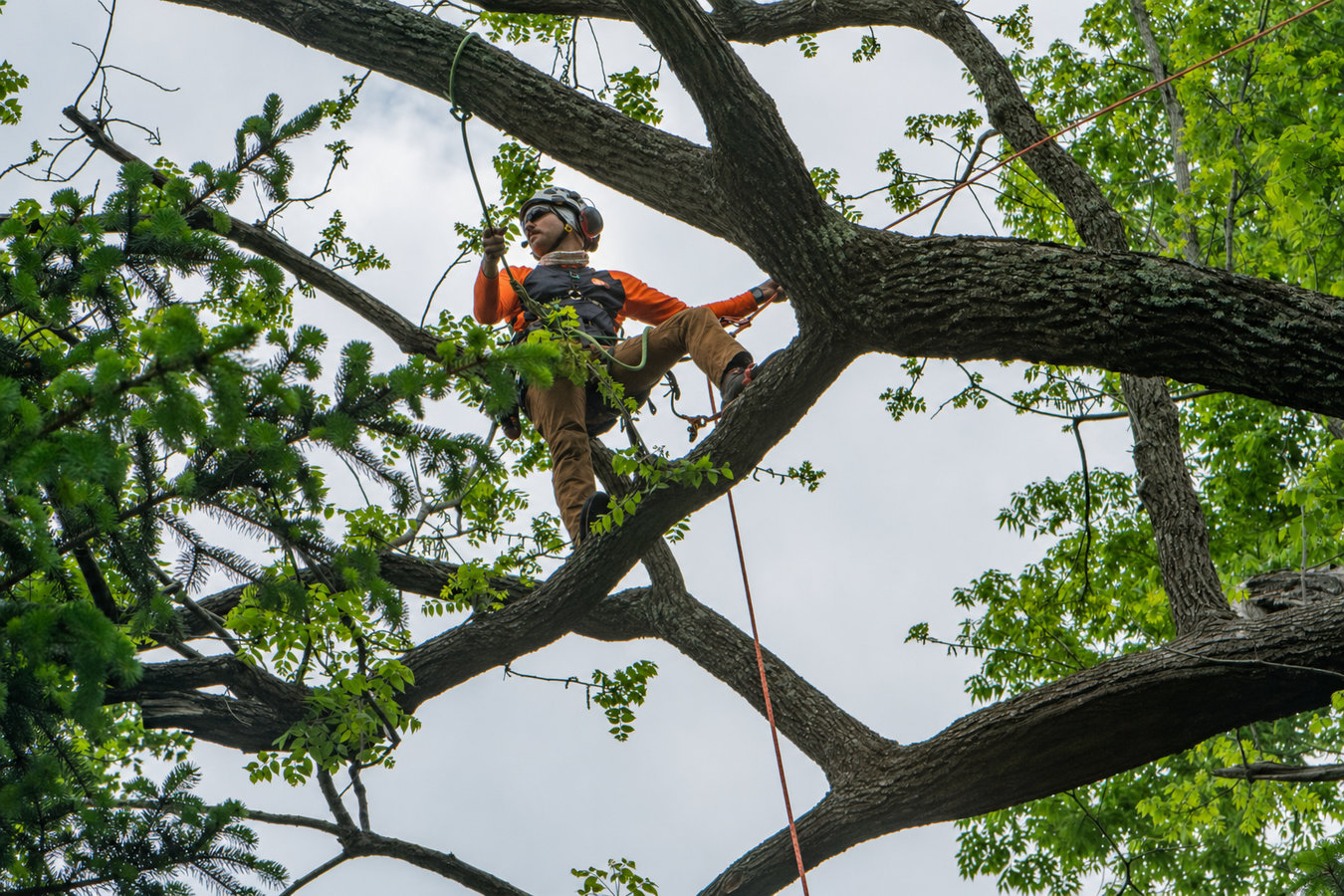
Los Altos Hills Tree Service provides tree removal, trimming, pruning, and stump grinding for homeowners throughout Palo Alto - from the historic Craftsman streets of Old Palo Alto and Professorville to the ranch-era neighborhoods in Midtown and Barron Park. We have been serving the South Bay for years and respond to new requests within one business day.
Palo Alto has some of the oldest and densest residential tree canopy in Santa Clara County, with homes on large lots where 60- to 100-year-old trees require careful assessment before any work begins. We understand the city permit process, the clay soil dynamics that affect root stability here, and what it takes to work safely on tight lots with significant established landscaping.
Palo Alto properties in neighborhoods like Crescent Park and Old Palo Alto frequently have large oaks and ornamental trees that have outgrown their original planting location, threatening rooflines, hardscape, and neighboring structures. Our tree removal service handles controlled removal on lots with limited access and significant surrounding landscaping that needs to be protected throughout the process.
The dense canopy on older Palo Alto lots keeps gutters full of leaf debris and can block light from reaching patios and gardens below. Regular trimming opens the canopy, reduces the debris load, and keeps overhanging limbs from abrading roof surfaces during wind events.
Craftsman-era oaks and heritage trees in Palo Alto neighborhoods often carry decades of accumulated deadwood and poorly angled limbs that increase the risk of failure. Structural pruning removes that risk without removing the tree, preserving the mature canopy that homeowners in this city value and that would take decades to rebuild.
Palo Alto lots with mature landscaping often have stumps from trees removed over previous decades that were never fully ground out. Grinding removes the remaining stump and root collar, eliminating the pest habitat and the tripping hazard, and prepares the area for new planting or paving.
Palo Alto winter storms can bring large limbs down on homes and fences in neighborhoods where old-growth trees overhang structures built long after the trees were planted. We respond to emergency calls promptly, prioritize making the property safe, and document everything needed for an insurance claim before permanent removal begins.
Palo Alto homeowners preparing a lot for an ADU, a major landscape renovation, or a new structure often need brush, overgrown vegetation, and multiple stumps cleared before any construction can begin. We coordinate the clearing scope with your project timeline and leave the ground ready for the next phase.
Palo Alto has some of the oldest residential housing stock in Santa Clara County. Neighborhoods like Professorville and Old Palo Alto contain homes built in the early 1900s, and many of the trees on those properties are the same age. A 100-year-old oak or elm in this city has had a century to develop deep lateral roots that reach under foundations, crack concrete flatwork, and grow into sewer laterals. The City of Palo Alto Urban Forest program actively manages the street tree canopy, and private property owners are responsible for the trees on their own lots - including any damage those trees cause.
The expansive clay soils that underlie much of the Santa Clara Valley create an additional challenge in Palo Alto. Clay swells in wet winters and contracts in dry summers, creating ground movement that erodes the root anchoring of older trees over time. The dry-summer, wet-winter climate also means that internal heartwood decay, which develops faster in trees under seasonal moisture stress, is not always apparent from the outside. A contractor who knows how Palo Alto's soil and climate interact with old-growth trees can give you better risk guidance than a visual inspection alone provides.
Our crew works throughout Palo Alto regularly, and we understand the local conditions that affect tree service work here. Older neighborhoods west of El Camino Real - including Professorville and Crescent Park - typically have large lots with mature trees and long driveways, but the canopy density means working around established irrigation systems, hardscape, and outbuildings on virtually every job. Properties in Midtown and South Palo Alto tend to have more accessible lots, but the mix of original ranch homes and newer infill builds creates varied soil and root conditions from one property to the next.
We are familiar with the Palo Alto Planning and Development Services Division permit process and regularly work through tree removal permit applications for properties in this city. Understanding which trees require review and what documentation the city needs avoids the delays that stall projects mid-schedule. Near Mountain View to the south, similar conditions apply, and we often work across both cities for homeowners with multiple properties or adjacent lots spanning city boundaries.
We respond to all estimate requests within one business day. Share what you know about the tree - its location on the lot, approximate size, and whether there is any urgency - so we can schedule the right crew for the assessment.
We walk the property, evaluate the tree and access conditions, and give you a written estimate before anything is scheduled. If the job requires a Palo Alto city permit, we explain what is involved and how it affects the timing - no unexpected costs or delays.
We perform the removal, trimming, or grinding as agreed, protecting surrounding hardscape, irrigation, and planting throughout. Debris is chipped or hauled away, and the site is cleaned before we leave.
If we observe anything during the job that deserves your attention - a neighboring tree showing stress signs, root proximity to a foundation - we tell you before we leave. Observations are not a separate charge, just part of the service.
We serve all Palo Alto neighborhoods and respond within one business day. No obligation, no pressure.
(650) 680-4022Palo Alto is a city of roughly 65,000 residents at the center of Silicon Valley, bordered to the west by Stanford University and to the east by the Palo Alto Baylands Nature Preserve along San Francisco Bay. The city has an unusually diverse housing stock - from early 1900s Craftsman bungalows in Professorville and Old Palo Alto to postwar ranch homes in Midtown and Barron Park, to newer infill construction and ADUs that have been added throughout the city over the past two decades. Most homes in Palo Alto are owner-occupied, and long-term ownership is common, which means properties tend to be well-maintained and homeowners are accustomed to investing in significant projects.
Palo Alto sits between Los Altos to the south and Menlo Park to the north, with University Avenue serving as the city's downtown core. The residential streets west of El Camino Real are characterized by large lots, mature tree canopy, and a neighborhood character that residents actively work to preserve. That canopy is one of the things that sets Palo Alto apart visually from other South Bay cities, and maintaining it responsibly is a priority that we share with the homeowners who call us.
Targeted pruning improves structure, reduces risk, and promotes long-term growth.
Learn MoreProfessional tree care for commercial properties, HOAs, and municipalities.
Learn MoreContact us today for a free, no-obligation estimate. We serve all Palo Alto neighborhoods and respond within one business day.